 5/12 Macquarie Drive, Thomastown VIC 3074


-
 On Time Guarantee
or Service Fee is Free -
 $50 off Hot Water Unit Installation
when Quoting SAVE50 -
 Carbon Monoxide
Testing from $129 -
 Bathroom and Kitchen
Renovations

A freezing cold shower on a Monday morning is never a nice start to the week! Most of us don't give our water heaters a second thought until they stop working, but these systems are running 24/7 to keep your dishes clean and your showers warm. With all that wear, it's no surprise that they might fail, especially without proper maintenance.
At All Plumb Melbourne, we've seen every type of hot water issue imaginable. From tiny leaks to tanks that’ve broken down after fifteen years, understanding why these systems fail can help you spot trouble early. With that in mind, here's a breakdown of what goes wrong, how to fix it, and how to make your system last as long as possible.
Gas vs Electric Hot Water Systems
Electric Hot Water Systems
An electric hot water system works a bit like a giant kettle. It has a heating element (or two) inside a storage tank. When the thermostat senses the water has cooled down, it switches the element on to raise the temperature again. The most common issues here are a tripped circuit breaker, a blown fuse, or a heating element that has burnt out over time. Because they rely on a constant power supply, any electrical short can knock the whole system out.
Gas Hot Water Systems
A gas hot water system uses a burner at the bottom of the tank (or a heat exchanger in an instant gas hot water system). These are great for fast heating, but they come with their own issues. The pilot light that can blow out, the thermocouple that tells the gas to stay on, and the gas supply line itself are all sources of trouble. If you have an instant system, it doesn’t even have a tank; it heats water as it flows through, which is efficient but can be sensitive to water pressure changes.
Common Causes of Hot Water System Issues
If your cold water is working fine but your hot water is barely a trickle, you’re dealing with a hot water problem. This usually isn't a problem with your main water line, but something specific to the hot water side of your plumbing.
Faulty Pressure Regulator
Most homes have a pressure regulator or a pressure limiting valve installed near the hot water unit. Its job is to keep the pressure from the mains at a safe level so it doesn't blow your tank apart. If this valve gets stuck or wears out, it can seriously reduce the water flow.
Our expert team is always ready to fix hot water in Bundoora or Thornbury for local families. We provide fast repairs to make sure no one has to suffer through a cold shower!
Sediment Build-up
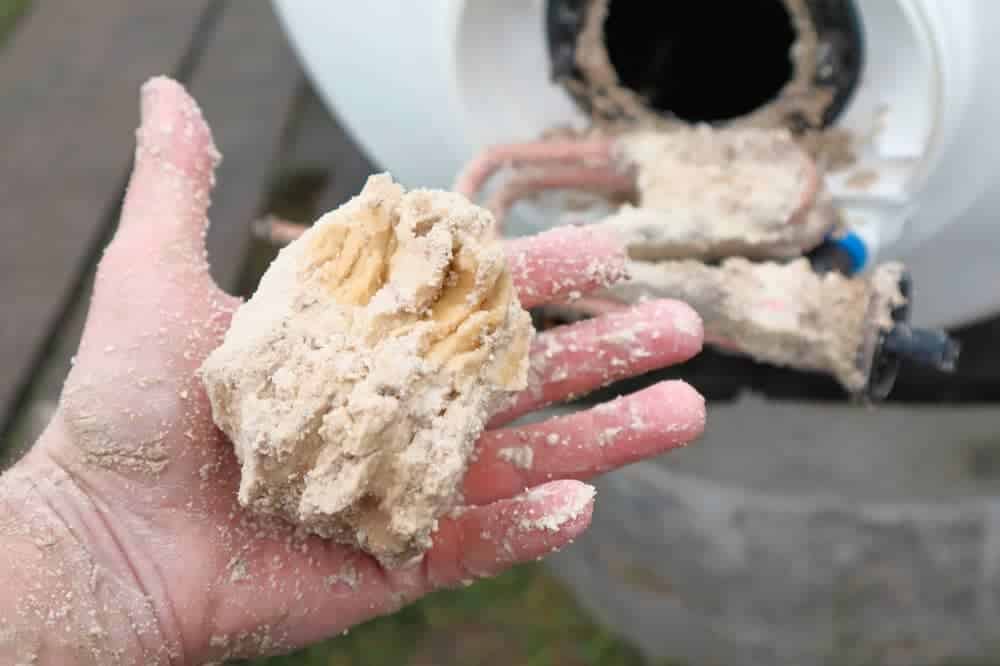
Whether you have an electric water heater or a gas tank, sediment buildup is one of the biggest reasons systems fail early. Melbourne’s water quality is generally good, but it still contains mineral deposits and tiny bits of sand. Over years of use, these minerals settle at the bottom of the tank, forming a thick layer of sediment. You’ve probably seen this happening in a smaller scale in your kettle, where a layer of chalky limestone builds up.
In a gas system, this sediment acts as an insulator, meaning the burner has to work twice as hard to heat the water. This causes the metal at the bottom of the tank to overheat and eventually crack. In an electric hot water heater, the sediment can actually bury the lower heating element, causing it to burn out. If you hear a rumbling or popping sound coming from your tank, that’s the sound of steam bubbles fighting their way through a layer of sediment.
Sacrificial Anode
Most people have never heard of a sacrificial anode, but it’s a crucial piece of your hot water tank. It’s a long metal rod, usually made of magnesium or aluminium, that sits inside the tank.
Its job is exactly what the name suggests: it "sacrifices" itself by corroding so that the steel tank doesn't have to. Because the anode rod is more reactive than the steel of the tank, the water eats away at the rod instead. However, once that rod is completely dissolved (usually every 3 to 5 years), the water starts eating your tank. Once the tank itself starts to rust, you’ll see rusty water coming from your taps, and a leak is usually just around the corner.

Signs and Symptoms of Hot Water System Issues
How do you know if your system is failing? Look out for these red flags:
- Running out of hot water faster than usual: This usually means your heating element is failing or the tank is half-full of sediment.
- Water isn't warm enough: A faulty thermostat or a broken tempering valve (which mixes hot and cold water for safety) is often to blame.
- Strange noises or smells: Rumbling means sediment; a "rotten egg" smell usually means bacteria is growing in the tank because the temperature control device isn't set high enough to kill off the bacteria.
- Water pooling near the system: If you see a puddle under the unit, check the pressure relief valve. If it’s dripping constantly, the valve will need replacing. If the tank itself is leaking, you’re likely looking at a replacement.
- It’s been over 10 years: Most storage tanks have a lifespan of about 8 to 12 years. If yours is in double digits, it’s time to start looking at a replacement.
We specialize in restoring hot water in Pascoe Vale and Carlton for residential properties. We take pride in providing expert maintenance to keep your heating system efficient and safe.
Hot Water System Maintenance
The good news is that you don't have to just wait for your system to break down! A little bit of routine upkeep can double the life of your water heater.
Flush the Tank
If you've had a new tank installed, your plumber will advise you to flush the tank every 6-12 months. This clears the bottom of the tank and lets the heating element or burner work efficiently again. It's a simple job that saves a lot of money on energy bills.
However, if you haven't flushed your tank for many years, it's worth calling in an experienced plumber first, as the heavy sediment may be plugging small leaks and could cause damage if removed. A professional plumber can inspect and then flush the tank to remove that heavy sediment buildup.
Test the Relief Valve
Your temperature pressure relief valve (TPR valve) is a critical safety feature. It lets out a bit of water if the pressure or temperature gets too high, preventing the tank from exploding. You should gently lift the lever every six months to make sure water flows out and stops when you let go. If it keeps dripping, call a plumber to swap it out.

Replace the Anode Rod
Having a plumber check and replace your sacrificial anode every few years is the cheapest insurance you can buy. It’s a lot cheaper to replace a rod than it is to replace a whole tank that has rusted out.
Hot Water System Repair vs. Replacement
At All Plumb Melbourne, we always try to repair before we replace. If your system is relatively new and the tank is in good condition, we can usually fix the issue by replacing a heating element, a thermostat, or a faulty valve.
However, if the tank is leaking from the bottom or the internal rust is too far gone, a repair won't solve the issue. In those cases, we’ll help you choose a new system, whether that’s a new gas tank, a tankless system, or a modern heat pump, that fits your family’s needs and helps you save on running costs.
Locals rely on us for fast solutions for hot water in Moonee Ponds and Eltham. We are here to provide expert advice to keep your home's water warm all year round.
Choose All Plumb Melbourne For Hot Water System Services
Don't let a failing hot water system ruin your week. At All Plumb Melbourne, we provide expert hot water service across the city, from quick valve replacements to full system installs.
We pride ourselves on being punctual, tidy, and honest. We’ll give you a clear quote before we start any work, so there are no nasty surprises. Our goal isn't just to fix your plumbing, but to make sure your home is safe and efficient for years to come.
If you’ve noticed your water isn't as hot as it used to be, or if you’ve spotted a suspicious puddle in the backyard, contact All Plumb Melbourne today on 1300 886 963. We’ll get an expert out to diagnose the problem and get your hot water back as soon as possible.


 1300 886 963
 Book Now
 1300 886 963